
For a team within one business
We work through a shared business question with the people who hold the knowledge, the customer evidence and the authority to decide. The aim is an agreed position, with owners for what happens next.
Brand Workshops
Practical brand workshops that help you examine where the business wants to go, what customers value and what your brand needs to do to support it.
We bring the relevant knowledge, evidence and perspectives together to work through specific decisions, from which customers to focus on to how your offer fits together and why it’s worth the price.
For teams within one business, or communities of business owners applying the thinking to their own brands.
We work through a shared business question with the people who hold the knowledge, the customer evidence and the authority to decide. The aim is an agreed position, with owners for what happens next.

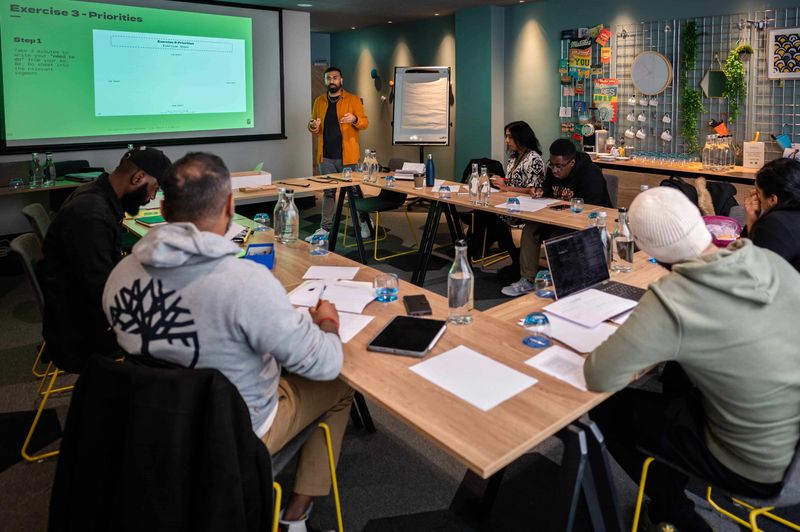
Participants learn together, then apply the thinking to their own business. Nobody is asked to agree a shared strategy. Each person leaves with their own conclusions and priorities.
These are possible objectives for a workshop. Most sessions focus on one or two of them rather than trying to cover everything.
Customers and choice
Examine who you want more business from, what matters when they buy and where your strengths give them a credible reason to choose you.
Positioning and value
Work through the value customers gain, which differences matter and what evidence supports your position and price.
Offer and brand architecture
Examine how services fit together, how they are named and presented, and how customers recognise where to start or what else you could help them with.
Growth and change
Explore what needs to stay, change or become more credible as you enter a market, broaden the offer, combine businesses or pursue different work.
Messaging and experience
Identify what people should understand and expect, then examine the messages, interactions and service moments that need to support it.
Strategy into practice
Translate an agreed strategy into priorities and guidance for your website, proposals, marketing and customer experience.
Tell me what is happening in the business, or what your members are dealing with, and what you’d like people to leave better equipped to do. We can shape the workshop around that rather than asking you to choose from a fixed menu.
Client example
See the Elevey project ↗“From start to finish I have been blown away by Kiki’s attention to detail and methods to create a brand that is so aligned to who we are.”
“Excellent brand management workshops. Informative and digestible.”
Programme sessions
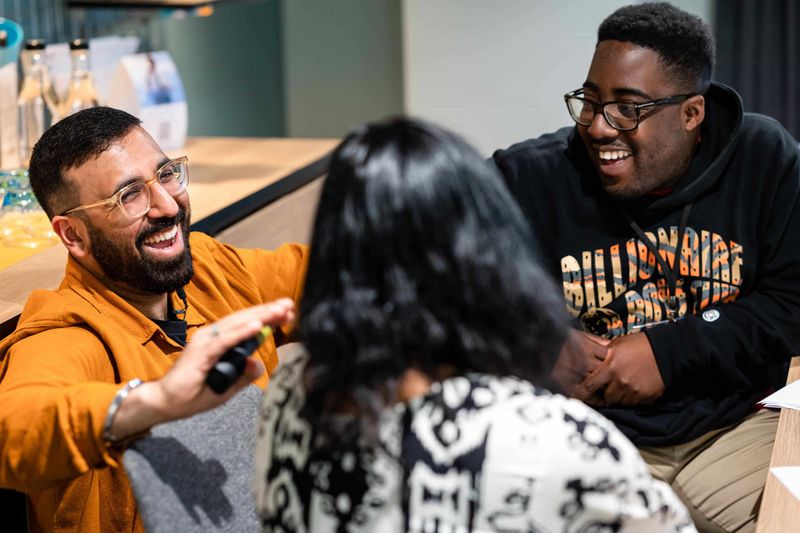
Talks and workshops include programmes delivered through Enterprise Nation, including Vodafone Business Connected and Tottenham Hotspur Foundation’s Start Something.

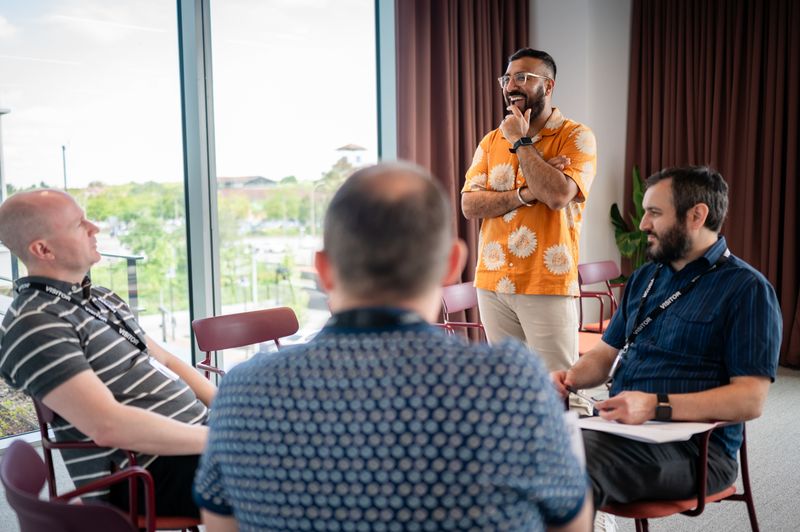
I use exercises to bring assumptions into the open, explore alternatives and help people apply the thinking to their own business. The activity earns its place by helping us examine a decision.
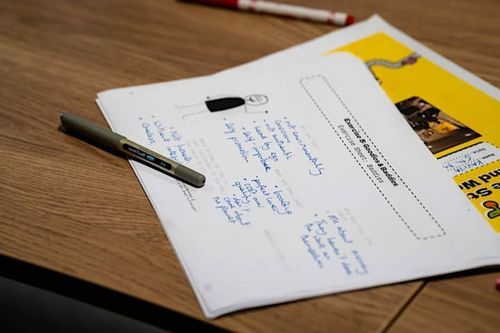
What would a competitor need to offer, prove or do differently to win your best customers? Participants build that business, then examine which strengths it exposes, which weaknesses deserve attention and what their own brand could do about them.
Example notes
What it exposes Our best evidence is buried in proposals, so new customers rarely see it.

Participants allocate a fictional £100 across things customers might value, such as expertise, speed, reassurance or flexibility. We compare the choices, discuss the reasoning and identify which assumptions need checking against customer evidence.
Example allocation
To check Do recent customers rank reassurance this highly? Ask them before acting on it.
Internal opinions and votes are where the investigation starts, not a substitute for customer research. These are examples of methods I use when they suit the question. Every workshop is planned around its own objective, so the exercises vary.

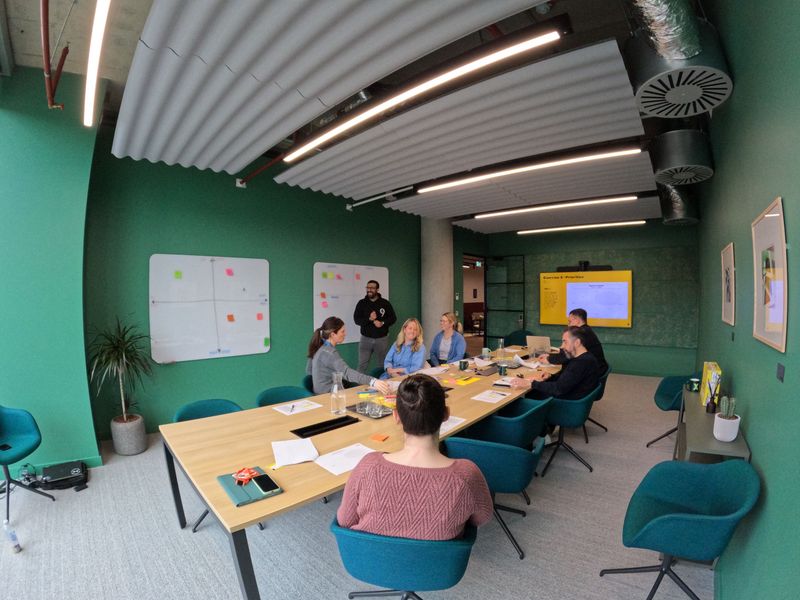


Agree the objective, participants, relevant evidence and preparation.
Examine the issue through discussion, exercises and evidence, distinguishing decisions from assumptions.
Capture what was agreed, what remains open and what happens next.
A record of decisions, rationale, open questions and agreed next actions, with specific materials depending on scope.
Completed exercises, an assessment of their own business and priorities they can investigate or apply afterwards.
A workshop moves specific decisions forward. It isn’t a complete brand strategy or implementation plan in one session.
From a workshop on making the offer easier to understand and buy

You work directly with me from the first conversation through to the session. I want to understand the people taking part, the decisions ahead of them and what might be making those decisions difficult.
In the room, I help people challenge assumptions, contribute what they know and reach useful conclusions. My background is in brand strategy and what it does for a business commercially, so the discussion stays connected to the decisions that matter. We can take the work seriously and still enjoy being in the room.

For organisers
Tell me about the audience and the outcome you want. You do not need to arrive with a finished agenda.
If you’re about to brief a new website, take a wider offer to market or rethink who you want to sell to, let’s get the right people together and work through the decisions that matter.
If you’re organising a session for a business community, we’ll shape it around a challenge members can work on in their own businesses.