
Scaling fast
Help a growing team represent the brand consistently, deliver its promise and make the wider offer easy to understand.
The question: what needs to become repeatable as more people represent the business?

My process
We start with what you want your brand to make possible for the business. Then we work through the decisions that matter and carry them into how you compete, communicate and deliver.
That might mean becoming the first choice for particular work, helping customers understand your price or building credibility for a market you want to enter. We look at what you have already built and where the brand could help you make more of it.
You work directly with me, from understanding the opportunity to putting the direction into practice.

01 / The approach
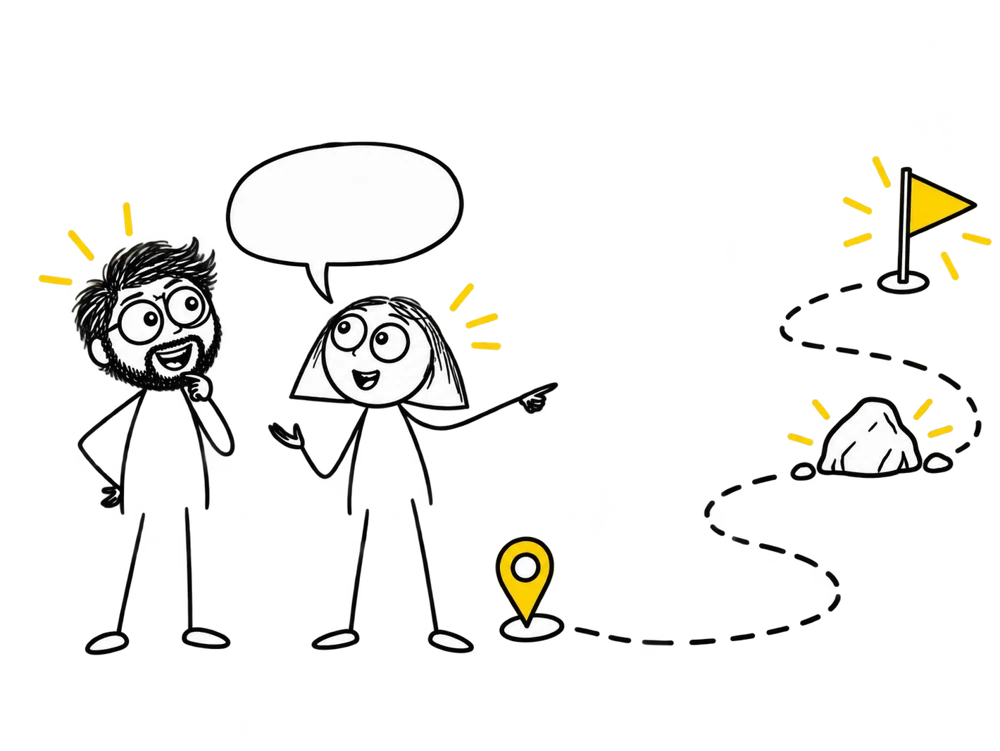
We start with what you want the brand to help the business achieve. Then we investigate how customers understand, choose and experience you, alongside your offer, competitors and relevant commercial evidence. A request for more awareness might reveal a gap in understanding or credibility. We establish what is helping or obstructing the objective before recommending the work.
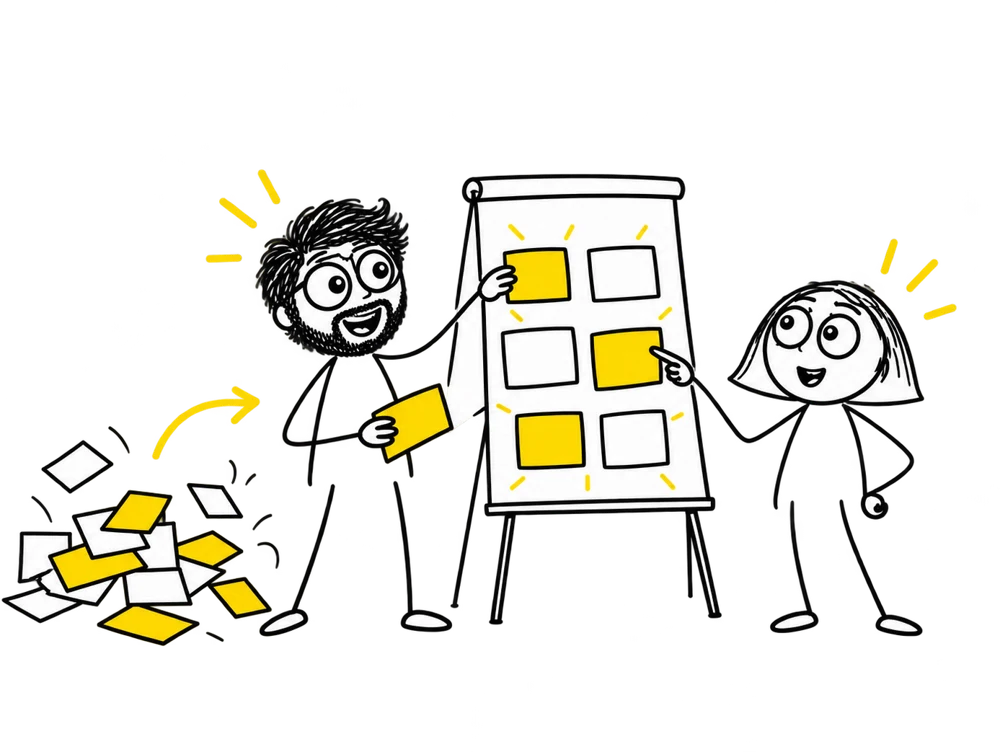
We agree which opportunity deserves attention, whose understanding or behaviour needs to change and what progress would look like. Then we work through the relevant brand choices: who to prioritise, what to build a reputation around, how the offer fits together and what makes your promise credible. Focused working sessions help the people involved understand the reasoning and make those decisions together.
The decisions become practical direction: positioning, messages, offer structures, principles and briefs for the work that follows. Each brief sets out the audience, the change we want to make, the evidence behind it and the constraints. We agree responsibilities and priorities, while giving the people developing the response room to do good work.
We explore ways to deliver the direction through identity, communication, sales and customer experience. Promising responses can be prototyped and tested for understanding, credibility and usefulness before wider investment.
I can stay involved alongside your team and existing partners, with additional creative and digital delivery through 9 Designs where useful. Once the work is in use, we review customer response and agreed measures of progress, then decide what to improve. We can revisit earlier decisions when the evidence calls for it.
You can expect honest questions, useful decisions and the occasional doodle.
02 / The areas of work
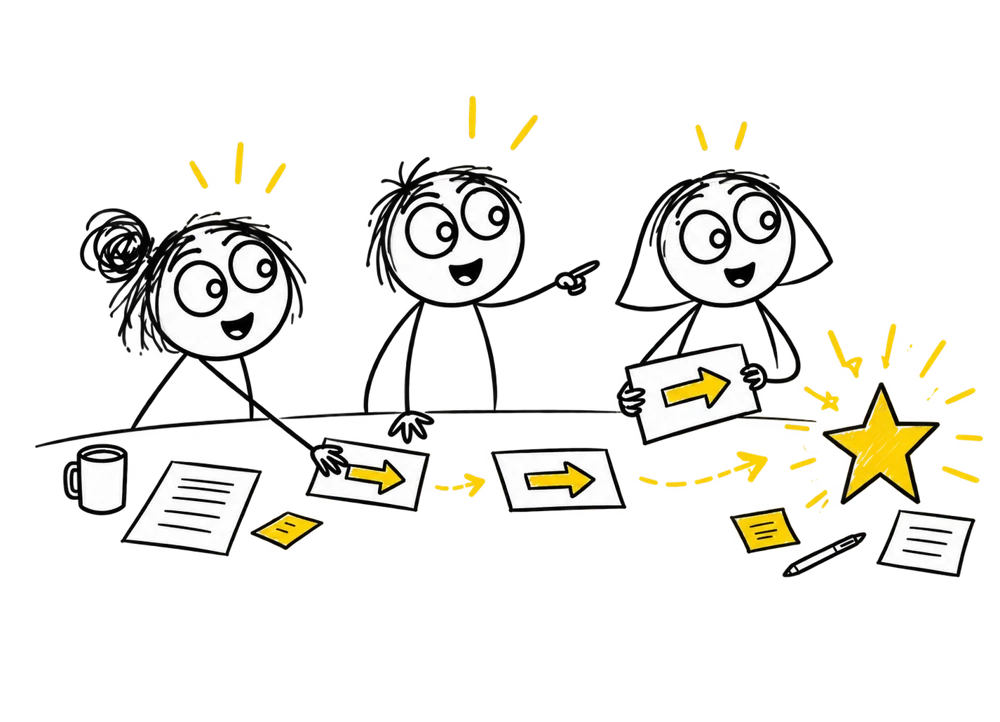
These areas help us examine the brand as a whole while choosing where to focus the work. We look at how they connect to your objective, what is already strong and which decisions need attention first.
Not sure which areas matter most for your business? We can work that out together.
Speak with KikiWho are we the right choice for, and why?
We look at the customers you want to reach, what matters when they make a decision and which alternatives they consider. That gives us a basis for deciding what you should be known for, where your offer is particularly valuable and what evidence will support that position.
In practice: a defined audience, a clear value proposition and reasons to choose you that your sales and marketing can use.
What do we want the brand to help us build?
We work through what you want the business to become and how the brand can support that ambition. Your purpose, beliefs and commitments help us make choices about what fits, where to invest and what you want to preserve as the business develops.
In practice: agreed brand priorities and principles for deciding what fits, where to invest and what to leave alone.
How should the different parts of the offer fit together?
We look at how customers understand your services, products or businesses, alongside your plans for growth. The work helps you decide what belongs under one name, what should remain distinct and where an established reputation could give the wider offer a stronger start.
In practice: an offer or portfolio map, clear naming relationships and a structure that guides websites, sales materials and future additions.
What should people recognise and remember about us?
We examine what your identity currently communicates, which visual assets people already recognise and where the presentation falls short of the business. From there, we establish what to retain, strengthen or change and give the design work a clear brief.
In practice: distinctive visual direction and an identity system that works across the places customers encounter you.
How do we explain the business in a way people understand and believe?
We bring your position, offer and evidence into language that helps customers understand your value. That includes deciding what to say first, how to support the promise and how the business should sound across its website, proposals and sales conversations.
In practice: key messages, a sales story, tone of voice and examples that turn the thinking into usable language.
How does the experience give people a reason to believe us?
We look at what happens when someone enquires, buys and works with you, including the moments that strengthen or undermine what you say about the business. Then we agree which interactions need attention and what would help the people delivering them make the brand tangible.
In practice: customer journey priorities, service principles and specific changes that make the brand tangible.
What helps our people represent the brand well?
We work through what people need to understand about the brand, what it means for their decisions and where they need support or authority to act. That includes agreeing who looks after the brand and how teams and partners can use it as the business grows.
In practice: clear ownership, usable guidance, team examples and a proportionate way to review important brand decisions.
Where could the brand help us create more demand and opportunity?
We examine where there is a credible opportunity to reach more of the right customers, introduce an offer or deepen an existing relationship. We then choose which growth opportunities the brand should support and connect them to practical decisions about the offer, experience, communication and route to market.
In practice: a focused brand growth plan, with audience, offer, experience and communication priorities, and measures of progress.
03 / Where to focus
You might be going through a particular change, or simply want more from a brand you have already built. We use that situation to understand what you need, then examine the business and customer evidence before deciding what should change.
The map below shows where we might begin looking, with the actual priorities agreed around your business.
An initial view of where the work may need to focus in different business situations. We confirm the priorities from your objectives and the business and customer evidence.
Pick a business situation
| Brand strategy area | Scaling fast | New leadership / founder stepping back | Merging or acquiring | Moving upmarket / entering a new market | Brand, website or marketing investment | Taking investment | Preparing to sell |
|---|---|---|---|---|---|---|---|
| Positioning | Support | Lead | Lead | Lead | Lead | Lead | Support |
| Purpose and direction | Lead | Lead | Lead | Support | Support | Lead | Support |
| Architecture | Support | Assess | Lead | Support | Support | Assess | Support |
| Identity | Support | Assess | Assess | Support | Assess | Assess | Assess |
| Language and narrative | Support | Lead | Support | Lead | Lead | Support | Lead |
| Experience | Lead | Support | Lead | Lead | Lead | Support | Lead |
| Culture and governance | Lead | Lead | Support | Support | Support | Lead | Lead |
| Growth | Support | Assess | Support | Lead | Support | Lead | Support |
Hover over or tap any box to see how that area helps in that situation.
Scroll the table sideways to compare all situations.
A lead priority can mean protecting or applying a strong existing decision. We start by understanding what you have.
Help a growing team represent the brand consistently, deliver its promise and make the wider offer easy to understand.
The question: what needs to become repeatable as more people represent the business?
Agree which brand strengths to preserve, what needs to evolve and how others can explain and deliver the value without relying on the founder in every conversation.
The question: what must customers continue to trust, and how will that trust travel beyond one person?

Decide how the brands and offers should relate, what existing trust matters and how customers will understand the combined business.
The question: what should come together, what should stay distinct and why is that better for customers?
Understand the customers you want to reach, the alternatives they trust and the proof your brand needs to be considered.
The question: what would make this business a credible, relevant choice in the market you want to compete in?

Settle what the work needs to achieve and communicate, then give the people producing it a clear basis for their decisions.
The question: what should this investment change about how customers understand, choose or experience the business?
Connect the growth ambition with the brand choices and practical priorities needed to support it.
The question: where can investment in the brand make the most useful contribution to the plan?

Make the business’s offer, reputation and customer relationships easier to understand, with a credible story that can be carried by the business beyond its founder.
The question: what demonstrates the strength of the brand today, and what needs to become less dependent on one person?
04 / Strategy into practice

Carrying a clear commercial direction into a stronger brand.
Elite Home Staging already had a clear sense of where it wanted the business to go. The work examined its audiences, how its services related and the proof that would make its value more convincing.
Those decisions informed a brand guide, identity, website and wider materials, with creative and digital delivery through 9 Designs.
The connection matters: customer understanding and brand choices gave the practical work a direction to follow.
See the projectAn illustrative scenario
Imagine an established interior-design firm wants to win more boutique-hotel projects. It arrives with a request: “We need a more luxurious brand.” We investigate what would help hotel buyers consider and choose it.

The brief gives each activity a job. We can then explore distinctive ways to deliver it and test whether the response helps.
05 / Getting started
We begin by agreeing what you want to improve and which decisions or applications need attention. Before commissioned work starts, we agree the scope, who needs to take part, the evidence we need, what you will receive, the timing and the fee.
Your outputs might include an agreed position, an offer map, a messaging guide, an experience plan or briefs for the work that follows. We also agree how progress will be assessed. The scope names what you will have and how it will help you make the next decision. You can take the work forward with your own team and partners, or agree further support with me. Where useful, 9 Designs can provide creative and digital delivery.
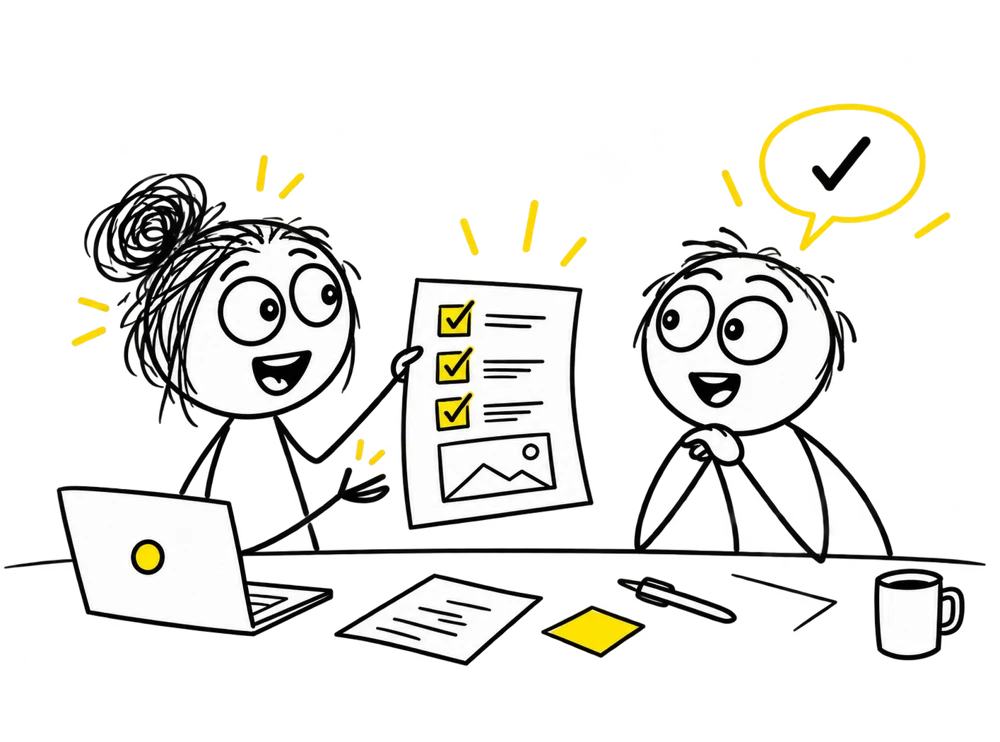
We assess how the relevant areas work together and focus the engagement on what needs attention. Useful existing strategy, identity and customer knowledge give us something to build on.
Yes. If the direction is sound, we can begin with the briefs, decisions, materials and experiences needed to carry it through.
Yes. I can help your people translate the direction into work, review what is taking shape and resolve the brand decisions that emerge. We agree where additional support would help.
Let’s talk it through
Tell me what you want to achieve, what is changing and where you think the brand could be working harder. We will work out where I can help and what a sensible starting point would involve.
